
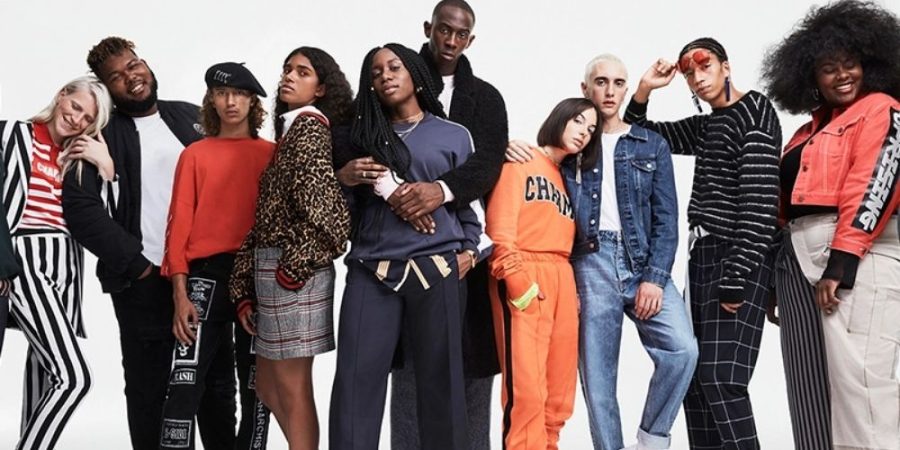
Fashion has always reflected more than fabric choices and seasonal styles. It captures the values, priorities, and emotions of society at different points in history. As generations evolve, clothing trends shift alongside changing beliefs about identity, freedom, culture, and self expression. From traditional attire to modern streetwear, fashion continues to reveal how people adapt to social transformation while also influencing the direction of culture itself.
In every era, fashion becomes a visual language. It tells stories about economic conditions, technological advancements, youth culture, and even political movements. The styles embraced by one generation often differ greatly from those of the previous one because each group experiences a unique social environment that shapes its worldview.
Fashion As A Reflection Of Cultural Identity
One of the strongest connections between fashion and social change is cultural identity. Younger generations increasingly use clothing to communicate individuality and personal beliefs. Rather than following rigid fashion rules, modern consumers prefer styles that feel authentic to their personalities and lifestyles.
Globalization has also created opportunities for cultural exchange in fashion. Traditional designs from different parts of the world now influence international trends. Social media platforms expose audiences to global fashion ideas within seconds, creating a more diverse and inclusive industry.
Digital culture has accelerated this transformation significantly. Trends spread rapidly through influencers, creators, and entertainment platforms. Discussions surrounding fashion often appear alongside topics such as viral videos Australia, where online audiences shape trends through instant reactions and shared visual culture.
The Shift Toward Sustainability And Conscious Fashion
Earlier generations often focused on affordability and practicality, while modern consumers are becoming increasingly aware of environmental concerns. Sustainability has become a major force shaping the future of fashion. Many shoppers now pay attention to ethical production, eco friendly fabrics, and long lasting quality.
This shift represents broader social awareness about climate responsibility and conscious living. Fashion brands are adapting by reducing waste, introducing recycled materials, and promoting transparent manufacturing processes. Consumers no longer see fashion as only appearance based. Instead, it has become connected to values and accountability.
Communities also play an important role in supporting responsible fashion movements. Discussions surrounding sustainability frequently appear in local conversations and publications, including platforms that focus on Melbourne community news, where independent designers and environmentally responsible initiatives continue gaining public attention.
Technology And The Digital Influence On Fashion
Technology has transformed how fashion is designed, marketed, and consumed. Previous generations relied heavily on magazines and television to discover trends, but modern audiences interact with fashion through digital platforms every day.
Artificial intelligence, virtual fitting rooms, and online shopping experiences are reshaping the industry. Social media applications allow individuals to create personal brands through style choices, turning everyday users into trendsetters. Fashion no longer belongs only to celebrities or major designers because digital access has democratized influence.
Online communities also allow consumers to support regional creators and independent brands. Many shoppers actively search for best local businesses Australia because they value originality, community support, and authentic craftsmanship over mass produced products.
This growing preference for local fashion reflects a larger social movement toward supporting independent entrepreneurship and preserving creative individuality in a highly globalized world.
Urban Living And Evolving Fashion Lifestyles
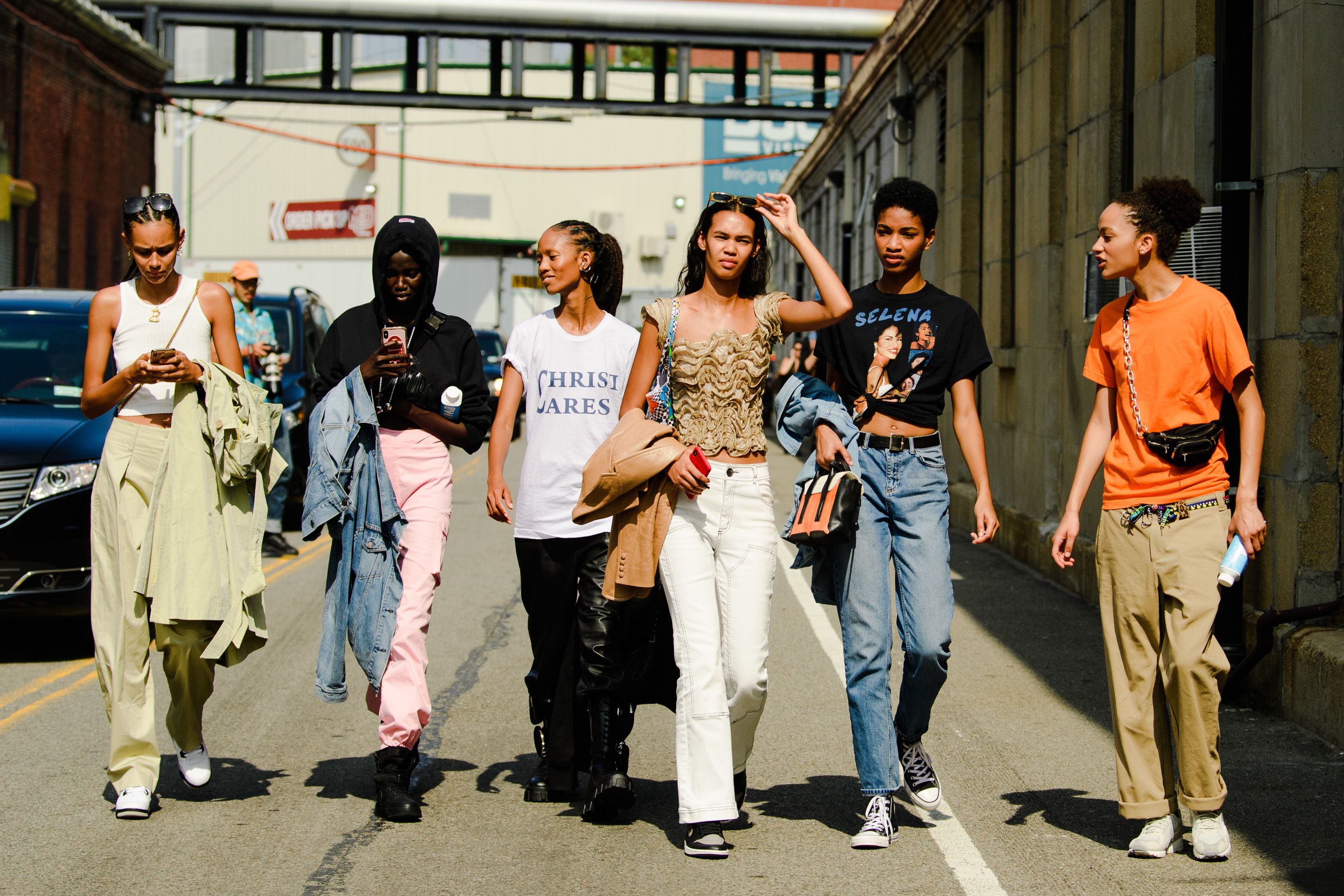
Cities have always influenced fashion because urban environments encourage cultural interaction and rapid trend development. Modern metropolitan lifestyles continue shaping how people dress for work, entertainment, and social experiences.
Comfort and flexibility have become major priorities for younger generations. Hybrid work environments, active lifestyles, and changing social habits have encouraged the rise of versatile fashion. Casual elegance, minimalist wardrobes, and functional designs are becoming increasingly popular.
Urban fashion also reflects the emotional pace of city life. The preferences of people living in Sydney may differ from those in smaller communities because city environments often encourage experimentation, fast moving trends, and diverse cultural influences.
At the same time, fashion helps individuals maintain a sense of identity within crowded urban spaces. Personal style becomes a way for people to stand out while still participating in shared social cultures.
Fashion And Generational Expression
Every generation uses fashion differently because social priorities continue changing. Older generations often valued formal dress codes and social expectations, while younger audiences embrace comfort, freedom, and individuality.
Gen Z and younger millennials frequently prioritize emotional authenticity over perfection. Oversized silhouettes, vintage inspired clothing, gender neutral fashion, and relaxed styling choices reflect changing attitudes toward identity and inclusivity.
Fashion also connects closely with lifestyle aspirations. Discussions about quality of life, career opportunities, creativity, and modern living often intersect with style trends. These conversations commonly emerge in articles discussing the best cities to live in Australia, where urban culture, creativity, and lifestyle preferences influence both fashion choices and social identity.
As generations evolve, fashion continues responding to shifting expectations surrounding work life balance, diversity, technology, and self expression.
The Future Of Fashion And Social Change
Fashion will continue evolving alongside society because clothing remains deeply connected to human behavior and cultural transformation. Future generations may place even greater emphasis on sustainability, digital integration, and personalized style experiences.
Technology will likely create more immersive fashion environments through virtual reality, digital clothing, and advanced customization. At the same time, consumers may continue valuing authenticity and emotional connection over mass produced trends.
Despite constant change, one truth remains consistent. Fashion reflects society’s ongoing transformation. Every generation leaves its mark through the styles it embraces, rejects, and reinvents. Clothing becomes more than appearance because it captures the emotions, ambitions, and cultural shifts of the people wearing it.
Through changing generations, fashion continues serving as a mirror of human progress, revealing how society adapts while continuously redefining identity, creativity, and connection.

