
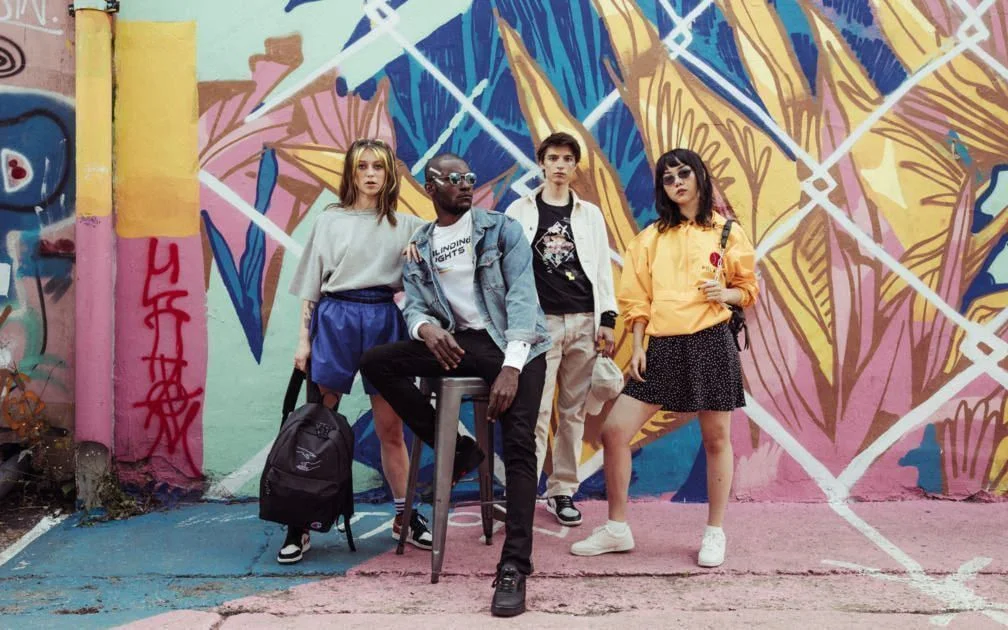
Fashion has always changed, but the speed at which new styles appear today has transformed the experience of getting dressed. Social media, online shopping, celebrity culture, street style, and digital communities expose people to thousands of outfit ideas within a short period. A particular color, silhouette, accessory, or aesthetic can suddenly become popular and then disappear from attention almost as quickly.
This constant flow of inspiration creates exciting opportunities for experimentation, but it can also make personal style harder to recognize. Instead of simply choosing clothes that feel comfortable and authentic, people may find themselves wondering whether they genuinely like something or have simply seen it repeatedly online. In this environment, developing personal style increasingly depends on learning to separate inspiration from imitation.
Fashion Inspiration Is Everywhere
In previous generations, fashion inspiration often came from magazines, television, local communities, stores, musicians, or celebrities. Today, inspiration is practically unlimited. A person can move from vintage European streetwear to contemporary Indian fashion, minimalist outfits, athletic clothing, and formal styling ideas within minutes.
The wider digital environment contributes to this habit of moving rapidly between unrelated subjects. Someone researching fashion might soon find themselves browsing employment information, property resources, or a site such as https://bandhkamkamgar.net. This constant movement between sources reflects a broader online culture in which people are continuously exposed to new information, images, and ideas.
Fashion operates within the same environment. The advantage is greater creative access. The challenge is deciding which influences genuinely deserve a place in an individual’s wardrobe.
Personal Style Does Not Require Rejecting Trends
Having personal style does not mean refusing every popular fashion trend. Trends can introduce people to colors, fabrics, proportions, or combinations they might never have considered otherwise. The important distinction is between selectively adopting a trend and allowing every trend to redefine an entire wardrobe.
This principle of selective attention applies throughout digital life. Search phrases such as rtps download certificate pdf are highly specific because users generally know exactly what information they need. Personal style can benefit from similar clarity. Knowing preferred colors, silhouettes, materials, and levels of comfort makes it easier to filter the enormous amount of fashion inspiration available online.
A trending item can therefore become part of personal style when it complements existing preferences rather than replacing them.
A Wardrobe Can Reveal More Than a Trend Feed
One of the simplest places to understand personal style is an existing wardrobe. The pieces someone repeatedly wears often provide better clues about genuine preferences than saved social media posts.
Favorite garments may share certain characteristics. Someone might repeatedly choose relaxed trousers, neutral shirts, structured jackets, bright accessories, or comfortable footwear. Recognizing these patterns creates a practical foundation for future purchases.
The same preference for useful information can be seen when people search for specific digital resources such as mp bhulekh land record rather than browsing unrelated material. Fashion decisions can become equally focused when shoppers understand what they actually need. Instead of buying an item because it appears everywhere online, they can ask whether it works with clothes they already own.
Lifestyle Should Influence Clothing Choices
Personal style needs to function beyond photographs and inspiration boards. An outfit can look impressive online while being completely impractical for someone’s daily routine.
Climate, profession, commuting habits, social activities, comfort, and cultural surroundings all influence what makes sense in a wardrobe. Someone who walks frequently may prioritize comfortable shoes. A professional working in a formal environment may prefer versatile tailoring, while someone with a more casual routine may build outfits around denim, relaxed shirts, or practical layers.
Digital searches such as mee bhoomi ap 1b demonstrate how online behavior is frequently shaped by practical needs rather than entertainment alone. Clothing can follow the same principle. A useful wardrobe should support real activities instead of existing primarily to match an online aesthetic.
Constant Trends Can Encourage Unnecessary Buying
Rapid trend cycles can create the impression that clothes become outdated almost immediately. When every week introduces another must have item, aesthetic, or styling combination, consumers may feel pressure to continually update their wardrobes.
A more considered approach is to allow time before purchasing something trend driven. If an item remains appealing after the initial excitement disappears, it may genuinely suit personal taste. If the desire quickly fades, avoiding the purchase saves money and reduces wardrobe clutter.
This patience is increasingly valuable in an online environment filled with urgency. Even highly time specific searches such as hkrn vacancy 2025 last date demonstrate how dates and deadlines can shape attention. Fashion marketing can create a similar sense of urgency, even when there is no genuine need to make an immediate decision.
Repeating Outfits Can Strengthen Personal Identity
Constant novelty is not necessary for good style. In fact, repeating favorite combinations can help create a recognizable personal identity. Signature jackets, preferred jewelry, familiar color combinations, particular footwear, or consistent silhouettes can gradually become part of how someone naturally presents themselves.
Repeating clothes also encourages creativity. The same garment can look different when combined with new layers, accessories, textures, or proportions. Instead of treating an outfit as disposable after one appearance, people can discover multiple ways to make familiar pieces feel fresh.
Personal Style Is Allowed to Evolve
Personal style should never become a rigid set of rules. Preferences naturally change with age, work, environment, experiences, and lifestyle. A wardrobe that feels authentic today may look different several years from now.
The goal is not to discover one permanent aesthetic. It is to develop enough self awareness to recognize which influences feel meaningful at a particular stage of life.
In an era of fast moving trends and constant inspiration, individuality comes from selection rather than isolation. People do not need to disconnect from fashion culture to develop personal style. They simply need to become more thoughtful about what they adopt, what they ignore, and what they repeatedly enjoy wearing. Trends may continue moving quickly, but personal style can develop at its own pace.


